Introduction
In the rapidly evolving world of healthcare, digital transformation has become essential for delivering high-quality patient care and maintaining strict compliance with regulatory standards. By 2025, Enterprise Resource Planning (ERP) systems are no longer limited to administrative efficiency — they now play a central role in integrating medical, financial, and operational data to improve patient outcomes and organizational performance.
This article explores how ERP software is reshaping the healthcare sector in 2025, focusing on its impact on patient care, compliance, and overall hospital management.
1. The Growing Importance of ERP in Healthcare
Healthcare organizations are under constant pressure to do more with less — improve patient care, reduce costs, and comply with complex regulations. Traditional standalone systems can no longer keep up with these demands.
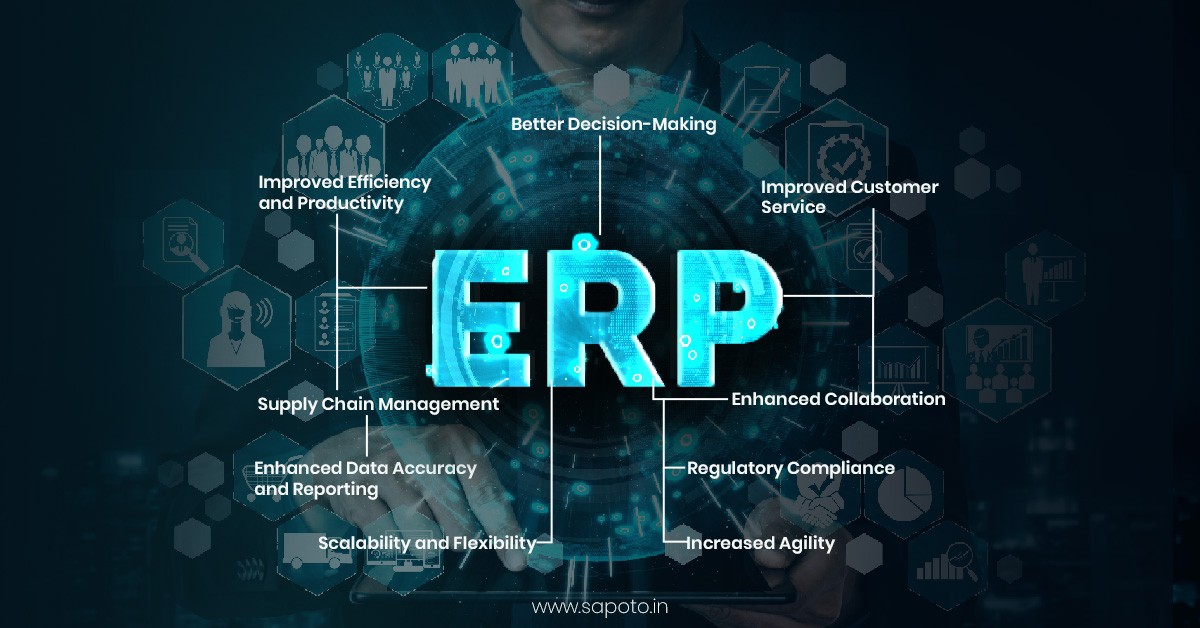
ERP software provides a unified digital backbone that connects all hospital departments — from patient registration and billing to inventory, procurement, and HR. This integrated approach helps healthcare providers:
Streamline administrative and clinical workflows.
Improve data accuracy and transparency.
Enhance patient satisfaction and safety.
Ensure compliance with healthcare standards and government regulations.
2. Key ERP Trends in Healthcare for 2025
a) Cloud-Based ERP Solutions
By 2025, most healthcare institutions are migrating to cloud ERP platforms for scalability, real-time access, and cost efficiency. Cloud technology enables hospitals to securely store and access data across multiple facilities while ensuring system uptime and disaster recovery.
b) AI and Predictive Analytics
AI-driven ERP systems help healthcare providers forecast patient demand, optimize staff scheduling, and predict equipment maintenance. Predictive analytics also enhance clinical decision-making by identifying patterns in patient data.
c) IoT and Smart Device Integration
ERP systems now integrate with IoT-enabled devices — from patient monitoring tools to medical equipment — allowing real-time tracking of vital signs, inventory, and equipment performance.
d) Enhanced Data Security and Privacy
With stricter data protection laws like HIPAA (in the U.S.) and GDPR (in the EU), ERP vendors in 2025 prioritize robust security features such as encryption, access control, and audit trails to safeguard patient information.
e) Interoperability and Integration with EHR Systems
Modern ERP platforms seamlessly integrate with Electronic Health Records (EHR), laboratory information systems, and pharmacy management solutions, ensuring a single, accurate source of truth for patient and operational data.
f) Compliance and Reporting Automation
ERP solutions now come equipped with built-in compliance tools that automatically generate reports, track regulatory updates, and monitor quality standards, reducing manual work and compliance risks.
3. Core Benefits of ERP in Healthcare
1. Improved Patient Care and Experience
ERP systems give medical professionals real-time access to patient information, treatment histories, and billing records. This allows faster, more accurate diagnoses and smoother patient journeys — from admission to discharge.
2. Operational Efficiency
By automating routine administrative tasks such as scheduling, inventory management, and procurement, ERP allows healthcare staff to focus more on patient care rather than paperwork.
3. Financial Transparency and Cost Control
ERP integrates financial data from multiple departments, providing real-time visibility into budgets, billing, and expenses. Hospitals can identify cost-saving opportunities while maintaining quality care.
4. Regulatory Compliance and Audit Readiness
With automated compliance tracking and documentation, healthcare organizations can easily demonstrate adherence to regulations, reducing the risk of penalties and audit issues.
5. Data-Driven Decision Making
ERP systems enable hospital administrators to use data analytics for strategic planning — optimizing resources, forecasting demand, and improving long-term sustainability.
4. Choosing the Right ERP for Healthcare in 2025
When selecting an ERP system, healthcare organizations should consider:
Industry Specialization: Choose a vendor experienced in healthcare workflows.
Integration Capabilities: Ensure compatibility with EHRs, LIS, and other medical software.
Scalability: Select a solution that grows with your organization.
Security Standards: Look for HIPAA, ISO 27001, and GDPR compliance certifications.
User-Friendly Interface: Medical staff need intuitive tools that minimize training time.
24/7 Support and Updates: Continuous vendor support is essential in a healthcare environment.
Leading ERP vendors in healthcare (as of 2025) include SAP for Healthcare, Oracle Health, Microsoft Dynamics 365 Healthcare, and Infor CloudSuite Healthcare, all of which offer cloud-based, AI-enabled solutions.
5. Challenges in ERP Implementation for Healthcare
Despite its advantages, implementing ERP in healthcare can pose challenges:
Data Migration Complexity: Moving data from legacy systems requires careful planning.
User Resistance: Staff must be properly trained and engaged to adopt new workflows.
Customization Needs: Healthcare organizations often need tailored solutions to fit their processes.
Cost and Time: ERP projects can be expensive and lengthy without proper management.
Addressing these issues requires strong leadership, clear communication, and collaboration between IT teams, medical staff, and ERP vendors.
6. The Future of ERP in Healthcare Beyond 2025
Looking ahead, ERP systems will become even more intelligent, predictive, and patient-centric. Future developments include:
Integration with AI-driven diagnostics and telemedicine platforms.
Blockchain-based medical data sharing for secure interoperability.
Personalized healthcare management powered by real-time analytics.
Greater focus on sustainability and environmental tracking in healthcare operations.
ERP will continue to evolve into a comprehensive ecosystem that unites technology, data, and human care.
Conclusion
In 2025, ERP software is redefining how healthcare organizations operate — from improving patient experiences to ensuring compliance and financial control. By centralizing data and automating complex processes, ERP enables hospitals and clinics to focus on what truly matters: delivering better, safer, and more efficient patient care.
As healthcare continues its digital transformation journey, adopting a modern ERP system is no longer a luxury — it’s a necessity for staying compliant, competitive, and compassionate in an increasingly connected world.